Do All Daddies Have Grey Suits?
A Graphic Novel Project
June - October 2027
İSTANBUL, NEVŞEHİR
Affiliate:
Murat Başol
Do All Daddies Have Grey Suits? is a graphic novel project centred on a politically motivated murder that took place in Nevşehir in the period leading up to the 12 September 1980 military coup in Türkiye. Written by Aylin Tekiner and illustrated by Murat Başol, the work explores political violence, impunity and the need to confront the past.
The narrative follows a protagonist who was only two years old at the time of the murder, tracing her journey from the world of childhood to the perspective of an adult woman seeking to come to terms with her past. Through a narrator who carries the traces of an event she cannot directly remember, the graphic novel examines the relationship between individual memory and collective silence, the intergenerational effects of political violence and women's experiences. Moving across three different periods, the narrative spans the political violence unfolding in Nevşehir on the eve of the military coup, the aftermath of the coup and the present day, exploring Türkiye’s social and political transformations through an intimate, personal story.
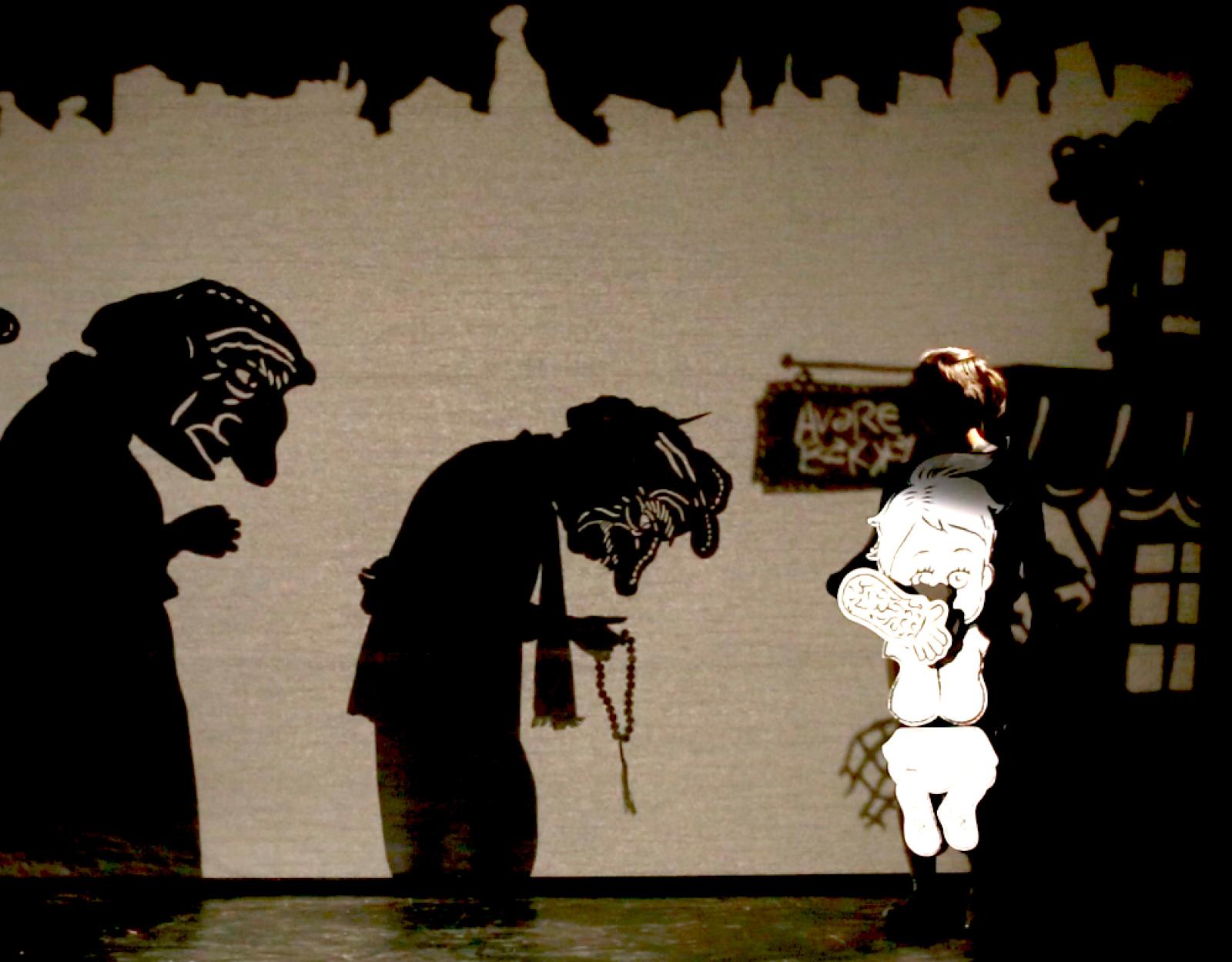
The shadow theatre production Do All Daddies Have Grey Suits?, which was performed several times at Yale University’s Satellite Theatre Festival in 2016, served as the starting point for the first chapter of the graphic novel. The project's narrative universe was subsequently developed in another medium through the children's book Wind Daddy (Rüzgâr Baba), published by Yapı Kredi Publications in 2023.
Conceived as a counter-memory project, the initiative will be accompanied by launch events and book signings in Nevşehir and Istanbul, alongside university gatherings, intergenerational memory meetings and collaborations with civil society organisations in both cities. A memory walk in Nevşehir will map the locations featured in the graphic novel, making visible historical traces erased by urban transformation. By placing local memory at the centre of its public programme, the project seeks to challenge the glorification of perpetrators and the normalisation of impunity. It aims to foster collective remembrance and intergenerational dialogue, while strengthening demands for truth, justice and social reckoning with the past.