



Funded by
the European Union

This website was created and maintained with the financial support of the European Union.
Its contents are the sole responsibility of the Goethe-Institut Istanbul and do not necessarily reflect the views of the European Union.

TR

Atelier Portakallık: Solidarity and Sustainability for Art

January - December 2026
MUĞLA

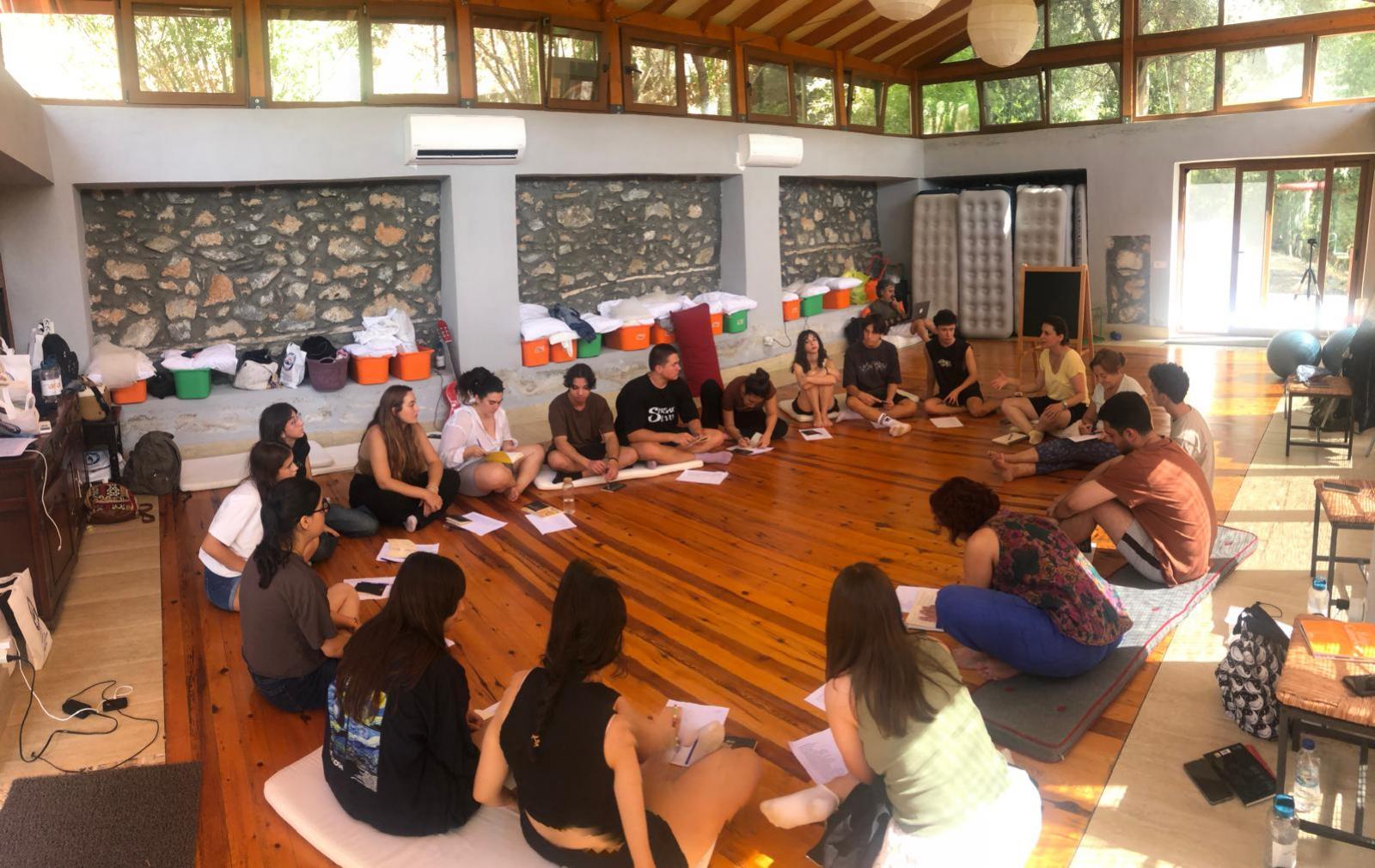
Atelier Portakallık’s mission is to re-establish the increasingly fragile connection with nature in major cities, and to facilitate a continuous flow of knowledge and experience by drawing inspiration from nature. In line with this, Atelier Portakallık’s core principles are to use reclaimed materials and furniture when transforming the space, to support the village economy by sourcing our needs from local producers, and to prioritise ecological sensitivity at every stage. The workshop established in Portakallık Village is a space where both artistic production and communal life thrive. One of the key factors enabling the activities carried out so far—and ensuring participants can commit the necessary time to the workshops—is the provision of meals throughout the process. Producing as a group in a small village in Muğla is very different from a city environment and requires significant planning and equipment. There is a need for a permanent kitchen and preparation area to ensure the continuity of activities at the workshop; this grant support will enable the creation of such a space, allowing activities to continue. 
Atelier Portakallık

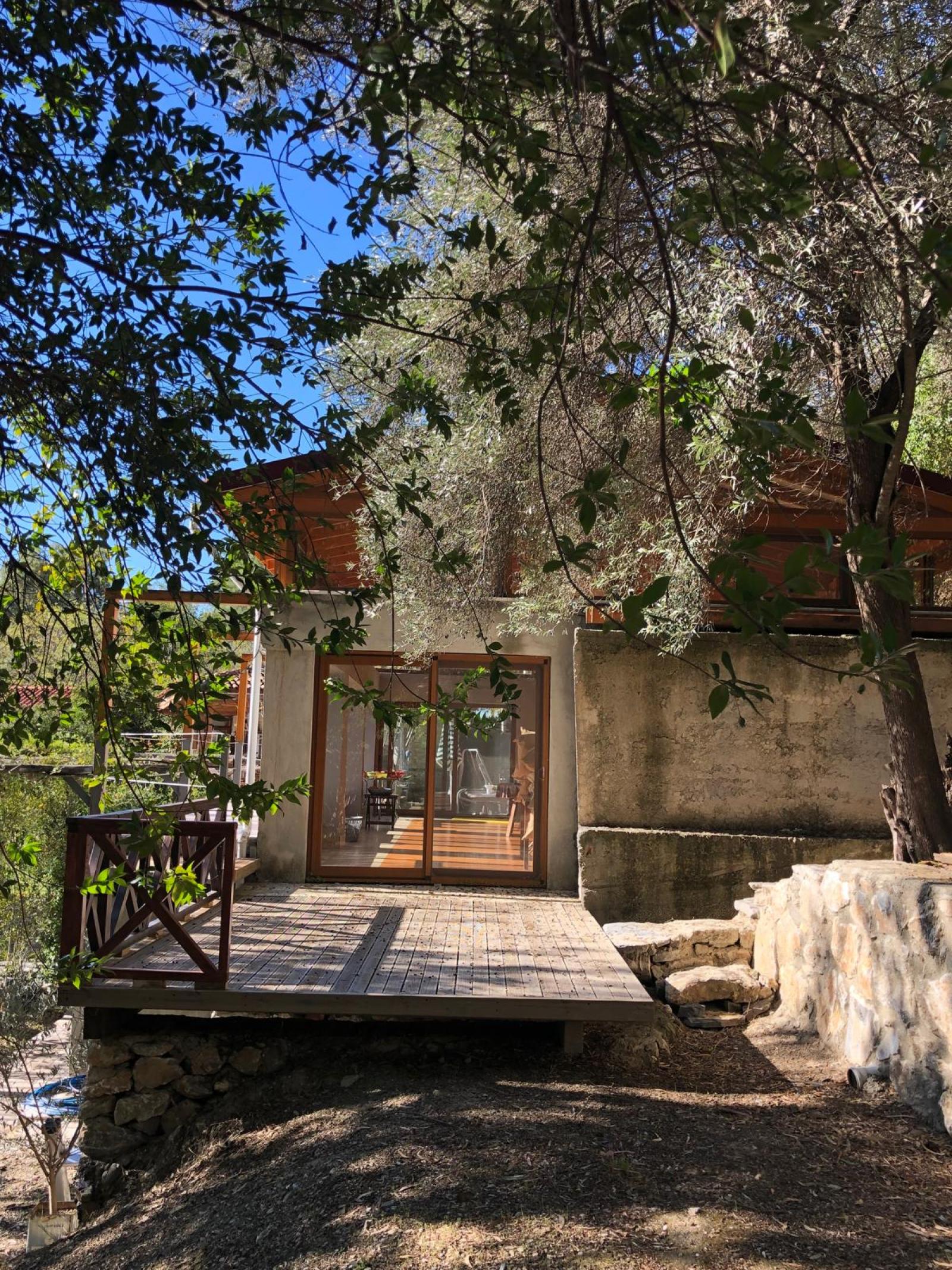
Atelier Portakallık was founded in 2016 as a women’s initiative by actress and trainer Tilbe Saran, architect Engin İyimen and civil society worker Irmak Taner. A traditional two-room village house and its two barns, located in Portakallık Village in the Ula district of Muğla, were converted whilst remaining true to their original form and ensuring harmony with nature. Thus, a space was created that serves both as a shared production area and as a living and communal space where people from different backgrounds can come together. The organisation’s aim was to organise artistic workshops and learning experiences for various age groups, to enable participants to develop practices suited to their own professional levels, and at the same time to encourage the participation of the local community. The workshop aimed to facilitate a continuous exchange and encounter between ‘visitors’ and ‘residents’, transforming at times into a rehearsal space and at others into a venue for conversation and sharing.

This page is published on 23 March 2026.